- 24 hours x 7 days
- +91 8100222201

17 Nov 2026 | Ruhitel
In many Bengali homes, the weeks before a wedding are full of small rituals, phone calls and family gatherings. Among them, the Aiburobhat stands out for its simplicity. It is, at heart, a meal: one where the bride or groom is fed lovingly by family one last time before marriage. Yet that single meal carries a great deal of feeling. It is a moment when parents, grandparents, aunts, uncles and cousins pause the wedding preparations to simply be together with the person who is about to begin a new chapter.
This guide explains what an Aiburobhat ceremony is, why it matters to Bengali families, and how families in Kolkata can plan one thoughtfully. Customs differ from one family and region to another, so treat what follows as a general picture rather than a fixed rulebook.
The word Aiburobhat is commonly understood to mean the "meal of the unmarried." It is a Bengali pre-wedding celebration in which the bride or groom, who is still unmarried, is invited to a special meal prepared with care by relatives. Many families describe it as the last meal of that person's unmarried life, served with blessings and affection.
How it is observed varies. In some families, close relatives from the paternal and maternal sides each host a meal for the bride or groom. In others, one larger gathering brings everyone together. Some families keep it a quiet household occasion, while others invite a wider circle of relatives and friends. Because practices and timing differ, it is always best to ask the elders in your own family how they have traditionally done it.
Unlike the larger wedding events, the Aiburobhat is intimate. A few things tend to make it meaningful for families:
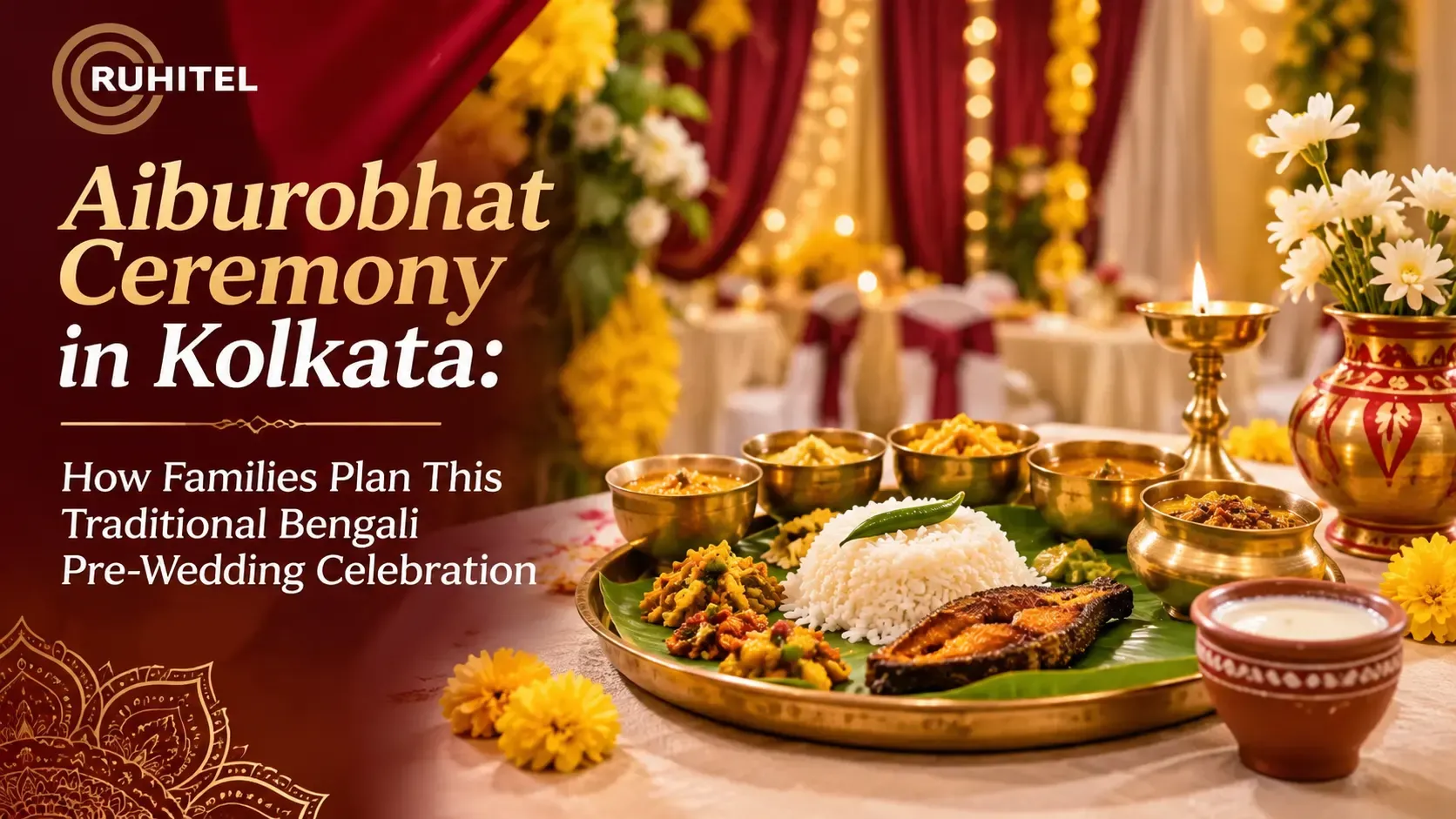
Food is the centre of this ceremony. Families often lean towards dishes the bride or groom has loved since childhood, or dishes associated with festive Bengali meals. Some commonly mentioned examples are steamed rice, dal, a few vegetable preparations, fish dishes, and sweets such as payesh or mishti. These are only illustrations, and the actual menu depends entirely on the family's preferences, dietary habits and regional background.
What matters more than the exact list is the thought behind it. A dish that reminds the guest of a grandmother's kitchen or a childhood birthday often means more than an elaborate spread. If you are planning the meal, it helps to ask the bride or groom what they would genuinely like to eat, and to check with guests about any dietary restrictions.
Even though the ceremony is simple in spirit, a little planning keeps the day relaxed. Families usually think about the following:
Both options are common, and neither is better in every situation. It depends on the size of your gathering, your home and your family's comfort.
Hosting at home keeps the occasion warm and personal. Many families value cooking in their own kitchen and receiving relatives in a familiar space. On the other hand, a home may feel crowded if many guests attend, and the family members who are hosting often end up spending most of the day on preparation and serving rather than sitting with the guest of honour.
Hosting at an event venue can give relatives more room to sit comfortably, particularly elders, and can reduce the burden of cooking, cleaning and setting up. The trade-off is that families need to plan more carefully in advance: confirming the date, discussing food arrangements, and ensuring the setting still feels personal rather than formal.
A useful question to ask is: where will the bride or groom feel most at ease, and where will the family be able to enjoy the meal rather than manage it? If your guest list is growing beyond what your home can comfortably hold, a banquet venue in Kolkata may be worth considering.
Here is a simple step-by-step approach families can adapt:
If your family decides on a venue, the following points can help you compare options:
Families in and around Dum Dum can reach out to Ruhitel Banquets in Dum Dum, Kolkata, to discuss their event requirements and see whether the venue suits their Aiburobhat plans. It is always sensible to speak directly with the team about dates, arrangements and what can be accommodated for your gathering.
The Aiburobhat may be one of the quieter moments in a Bengali wedding, but for many families it is among the most heartfelt. A shared meal, a few blessings and relatives gathered around one table: these small things stay in the memory long after the wedding decorations are gone. With some thoughtful planning, families can focus less on arrangements and more on the person at the centre of the celebration.
If you are considering a venue for your family's pre-wedding celebration, you are welcome to explore Ruhitel Banquets and get in touch for event enquiries.
1. What is the meaning of Aiburobhat in Bengali culture? Aiburobhat is commonly understood as the "meal of the unmarried." It is a special meal served by family to the bride or groom before the wedding, offered with blessings and affection.
2. When is Aiburobhat usually celebrated before a wedding? It is generally held in the days or weeks before the wedding, though the exact timing varies between families. Elders in the family can guide you on what is customary for yours.
3. Who traditionally organises an Aiburobhat ceremony? Parents and close relatives usually organise or host it. In some families, relatives from both sides each invite the bride or groom for a meal, while in others a single gathering is arranged.
4. What food is commonly served during Aiburobhat? Families often prepare favourite Bengali dishes such as rice, dal, vegetables, fish and sweets. The menu depends on family tradition, dietary preferences and regional background.
5. Can an Aiburobhat ceremony be organised at an event venue in Kolkata? Yes, many families choose to hold pre-wedding gatherings at an event venue, especially when they expect a larger group. It is best to discuss your requirements directly with the venue.